Let's talk about the uneven wake-up
You take time away from pleasure. Weeks, months, sometimes longer. Maybe there's grief involved. Maybe it was exhaustion. Maybe your body just shut down for a while and you let it. Then you try to come back, and here's the weird part: some parts of you are ready, and some parts are still sleeping.
One side of your body tingles. The other feels like it's under anesthesia. Your brain wants to go faster than your nervous system can follow. This is not broken. This is actually how bodies typically wake up after rest.
Why sensitivity returns in patches
Your nervous system is not one unified thing. It's regional. The left clitoris, the right clitoris, the anterior wall, the deeper structures, the perineum, the pelvic floor. Each has its own nerve clusters, its own blood supply, its own timeline for waking up. When you've been away from sensation for long enough, they don't all flip back on at the same moment.
This is especially true if the break involved:
- Grief or emotional shutdown (the nervous system truly does freeze)
- Antidepressants or other medications (your brain chemistry needs time to recalibrate)
- A long-term mismatch with a partner (your body may not trust touch yet)
- Pelvic floor holding (tension from stress creates localized numbness)
- Literal medical recovery from surgery or illness
When you try to force everything to wake up at once, your body often does the opposite. It shuts down further. This is why the wrong approach at the wrong moment can set you back weeks.
What the uneven wake-up actually looks like
You might feel intense sensation on the left side and almost nothing on the right. Or the opening feels alive while the clitoral bulb feels distant. Or you get a surge of feeling, then it vanishes, then it comes back randomly. You might find that your body responds better to deeper pressure on one side and lighter touch on the other.
The temptation is to push the numb side harder. Don't. That's how you teach your nervous system that this is unsafe. Instead, you're looking for a tool that lets you work with the parts that are ready while gently inviting the rest of the way in.
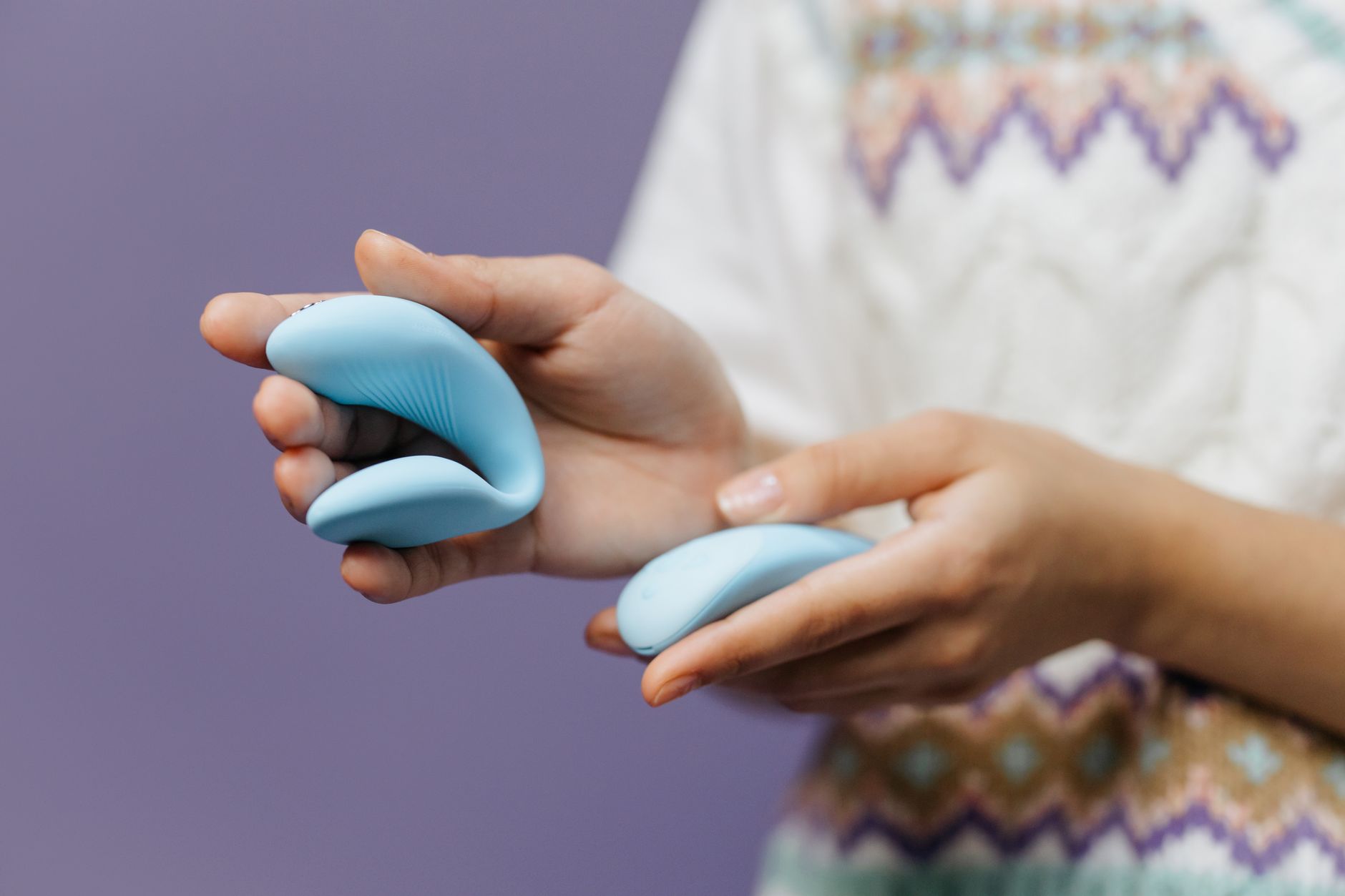
This is where the design of a lemon vibrator becomes genuinely useful.
How the lemon clitoral vibrator helps with uneven rewakening
The lemon vibrator works with uneven sensitivity in three specific ways.
First, the suction mechanism doesn't demand uniform sensation. A traditional vibrator requires you to coordinate feeling on both sides of the clitoris at the same time. It's symmetrical. The lemon's gentle suction wakes up sensation gradually and creates sensation where there might not be any yet. You're not waiting for feeling to show up. You're building it with pressure that feels safe to your nervous system.
Second, the intensity layers give you control without jumping levels. If your left side is ready for pattern three and your right side is still at pattern one, you can start at pattern one and let the sensation build naturally. The lemon's range means you're never forced to skip a step. This matters more than it sounds, because stepping back down after pushing too hard triggers shame and frustration. Slow, steady increases feel progressive instead of punishing.
Third, the shape lets you target specific areas. If one part of your anatomy is ready before another, you can focus there. You're not managing a whole-body experience when your body isn't ready for that yet. You can work with the one part that's actually sending signals. The lemon's compact design means you can be precise about where the sensation lands.
The actual protocol that works
I recommend this approach to clients rebuilding sensation after a long rest:
Start with pattern one for five minutes. Not to reach an orgasm. Just to send a signal to your nervous system that touch is happening and it's safe. If the sensation is strong on one side, sit with that asymmetry. Don't try to balance it. Let one side lead.
Over three to five sessions spread across one to two weeks, move to pattern two. Again, not chasing an outcome. Just presence. You're teaching your nervous system that you're patient and you're not going to demand more than it can give.
Then move to patterns three and four only when your body actually asks for it. Not when your mind thinks you should be further along. This might take two weeks or two months. The timeline doesn't matter. What matters is that you're not overriding your own signals.
Once sensation is fairly even across both sides, then you can explore orgasm if that's what you want. But the first phase isn't about coming. It's about waking up.
When one side stays numb for a long time
If three weeks of gentle sessions with a lemon vibrator shows no progress on one side, that's information worth investigating. It might be:
- A physical adhesion from surgery that needs physical therapy
- A lingering pelvic floor holding pattern that responds better to internal or relaxation work
- A nerve issue that's beyond what vibration can address
- A psychological safety issue that needs processing before sensation can return
None of these are failures. But they're different problems than uneven rewakening, and they need different approaches. A pelvic floor physical therapist or a trauma-informed sex therapist can help you figure out which one you're dealing with.

Photo by Madison Inouye on Pexels
Why patience is not about low expectations
Here's the thing I want you to know: taking time to rebuild sensation is not settling. It's not accepting a diminished version of your pleasure. It's actually the fastest route to reclaiming the pleasure you had, and often finding something deeper than what you had before.
When you force sensation to return on a schedule your nervous system didn't agree to, you end up in a cycle of disappointment. You push, you feel nothing or pain, you get discouraged, you wait longer, you try again too hard. People get stuck in that loop for years.
When you work with your body's actual timeline using tools like the lemon vibrator that meet you where you are, something different happens. Your nervous system starts to trust the process. One side starts to wake up. Then the other follows. The uneven feeling becomes more balanced. And somewhere in there, desire shows up again. Not forced. Not coerced. Just back, because your body finally feels safe.
FAQ: Rebuilding sensitivity after long rest
Why does one side of my clitoris wake up before the other?
Your clitoris is made of two bulbs, each with its own nerve supply and blood circulation. When you've been away from sensation, blood flow and nerve signaling don't return uniformly. Stress, pelvic floor tension, and emotional shutdown can also affect one side more than the other. This asymmetry is normal and usually resolves on its own with gentle, consistent stimulation. The lemon vibrator's suction helps re-establish blood flow gradually without demanding symmetry.
How long does it typically take for sensitivity to feel even again?
There's no fixed timeline. Someone rebuilding after a few weeks of stress might see balance return in three to four weeks of gentle sessions. Someone coming back after years of avoidance or medication changes might need two to three months. The key is consistency and gentleness, not speed. If you're using a lemon clitoral vibrator three to four times weekly at low patterns, most people report evening out within six to twelve weeks. But the window is very individual.
Can I use a lemon vibrator if sensitivity is painful on one side?
Pain is different from numbness and requires a different approach. If one side is painful while the other is numb, that suggests nerve irritation or pelvic floor dysfunction, not just a slow wake-up. Start with even lower intensity (pattern one for one to two minutes) or skip vibration entirely and work with a pelvic floor physical therapist first. Once pain resolves, the lemon vibrator becomes useful. Pushing through pain teaches your body that sensation is not safe.
What if I'm using the lemon vibrator and the numb side suddenly gets very intense?
That's actually a good sign. It usually means blood flow is returning and nerves are waking up. Back off to a lower pattern immediately. You don't need to maintain intensity when sensation is surging. Let it settle. Your nervous system is learning what touch feels like again, and you want that to happen gradually. Intensity will come back naturally if you give it time. This is not the moment to push harder.
Can uneven sensitivity be caused by my partner, or is it all in my head?
It can be both. If you have unresolved worry about your partner or the relationship, your nervous system will absolutely keep one side shut down longer than the other. This is your body protecting you. Addressing the relationship dynamic usually helps sensation return faster. Working solo with a lemon vibrator can help you rebuild confidence in your own body while you process the relationship questions separately. Solo pleasure and partner dynamics are different conversations and both matter.
Is there a risk that my sensitivity will never come back fully?
Very rarely, extreme trauma or significant nerve damage can cause lasting numbness. But in most cases, sensitivity does return when you stop forcing it and start inviting it back patiently. Lemon vibrators work particularly well for this because the design is gentle enough to not further overwhelm a waking nervous system, but consistent enough to keep sending the signal that sensation is safe and welcome. If you've been working gently for three months and nothing has shifted, that's when to bring in a specialist to rule out structural issues.
Your body knows its own pace
The uneven wake-up is not a problem to solve. It's information. It's your nervous system telling you exactly where it is and what it needs. A lemon vibrator is just a tool that lets you listen to that message and respond with patience instead of force. Over time, the uneven feeling evens out. Sensation returns. And you get your pleasure back, but on terms your body actually agreed to.
If you want to talk through what you're experiencing or need personalized guidance for your situation, reach out to contact us. We're here to help you rebuild intimacy at a pace that feels sustainable.