The numbness is real, and you're not broken
Honestly, this happens more than you'd think. You've been reaching for your lemon vibrator regularly, maybe daily, and somewhere along the way it started feeling less intense. Then less. Then almost like tapping on drywall. Your body hasn't changed. Your nerve endings haven't gone on permanent vacation. What's happened is called accommodation, and it's completely reversible.
The good news: rebuilding sensation is straightforward once you understand what's actually going on physiologically and how to pace your use.
What happens when you use vibrators too frequently
Your nerve endings adapt to stimulation. Think of it like turning up the volume on a song you love. At first, the chorus hits hard. After hearing it 100 times, your brain stops flagging it as novel. Your clitoral nerves work the same way. Constant, repeated stimulation at the same intensity trains your nervous system to filter it out.
This isn't a failing on your part. It's how human sensory systems work. We're wired to notice change and novelty, not constancy. A vibrator that goes off every single day at the same frequency and pattern becomes background noise to your nervous system.
The other piece: if you've been using only high-intensity settings or patterns, your tissues also adapt to that specific input. They're less responsive to gentler touch because you've been teaching them to expect more.
The reset window that actually works
Here's what I recommend to rebuild sensation: a structured break followed by intentional reintroduction.
Take 7 to 10 days completely off vibrators. Not three days. Not a weekend. Seven to ten. I know that sounds long, but your nervous system needs that window to downregulate. During this time, you can have sex with a partner, masturbate manually, use non-vibrating toys. Just no vibration.
Why this matters: your clitoral nerves will start recovering sensitivity around day three. By day seven, you'll notice manual touch feels different. By day ten, your baseline responsiveness will have shifted back to something closer to where it started. This isn't placebo. It's deafferentation reversal.

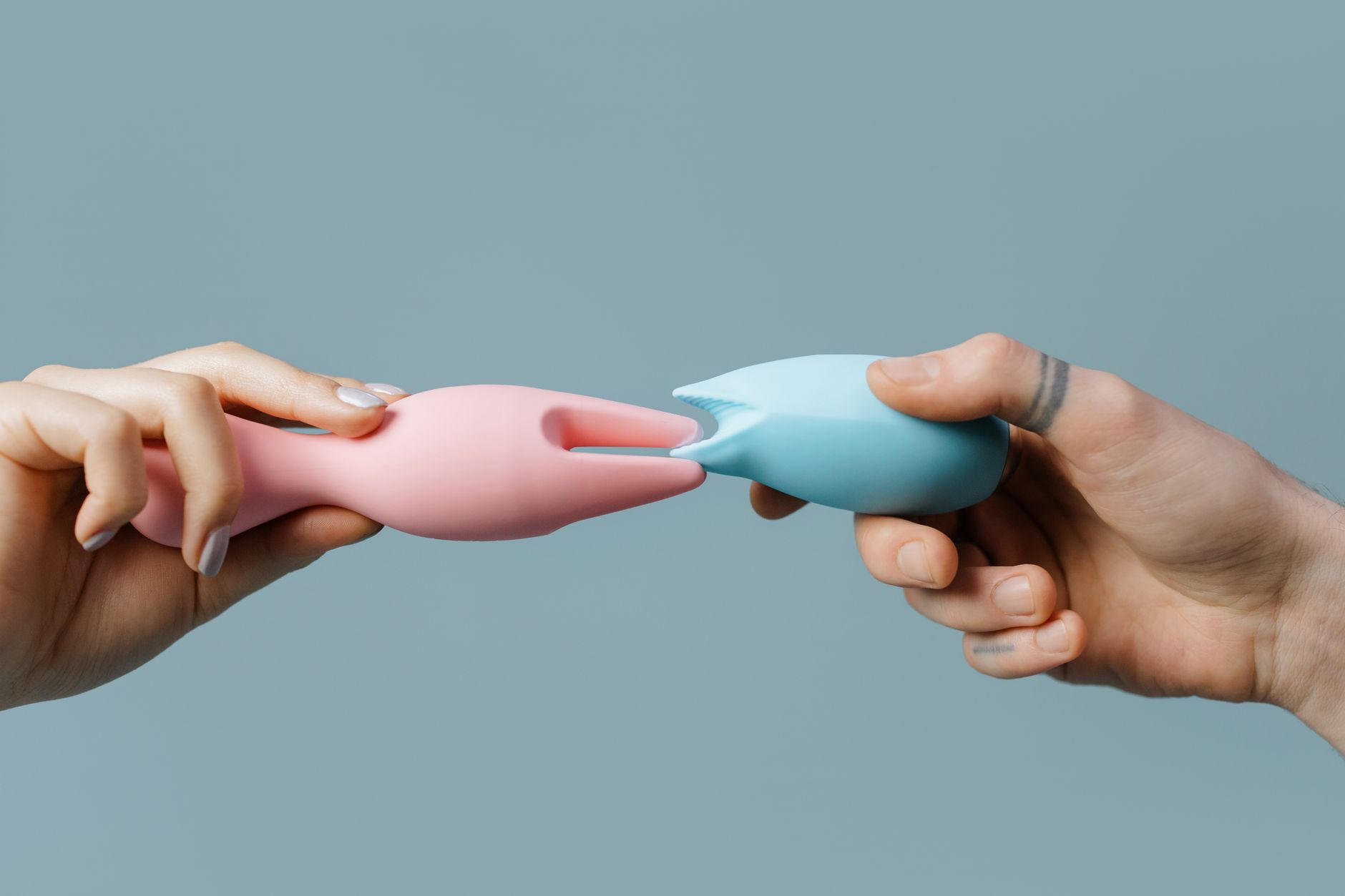
Photo by cottonbro studio on Pexels
How to reintroduce your lemon vibrator without resetting to numbness
When you come back to your lemon clitoral vibrator, use it differently than before.
Start with pattern one or two. Not the setting you were using before the numbness kicked in. Lower than that. Give yourself permission to feel like you're "wasting" the vibrator's power. You're not. You're teaching your body to respond to subtler input again.
Use it once every two to three days, not daily. This spacing is crucial. It keeps your nervous system primed for novelty without oversaturating.
Variate the pattern or setting every few sessions. If you used pattern three last time, try pattern one or five next time. This slight variation keeps your nervous system engaged without pushing intensity.
Limit sessions to 15 to 20 minutes maximum. Longer sessions increase the risk of re-accommodation. Shorter, more frequent breaks mean your nerves stay responsive throughout.
The importance of non-vibrator touch in between
This is the part most people skip, and it's actually the most important part. Between vibrator sessions, prioritize manual stimulation, partner touch, or non-vibrating toys. This keeps your nerve endings used to responsive sensation without the adaptation risk of vibration.
Manual touch, especially with varying speed and pressure, trains your body to respond to novelty again. Your partner's fingers, or your own, applied at different rhythms and intensities, keep your clitoral nerves from settling into a single pattern.
If you're partnered, this also rebuilds sensitivity in the context of intimacy, which often matters more than solo sensation. The consistency and unpredictability of partner touch is actually superior to solo vibration for resensitization.
When to use stronger settings again
After three weeks of paced reintroduction, you can gradually increase intensity if you want to. The key word: gradually. Go from pattern two to pattern three, not from pattern two to pattern five.
But here's the thing: you don't actually need to go back to high-intensity settings. Many people find that once they've rebuilt baseline sensitivity, lower and mid-range patterns feel genuinely satisfying again. Your body's responsiveness threshold shifts lower, and that's actually better. It means more of your lemon vibrator is usable.
If you do prefer higher intensity eventually, that's fine. Just never go back to daily use at max settings. Once, twice a week at higher intensity, with manual touch in between, is sustainable long-term.
The unexpected bonus of sensation recovery
Most people report that once they rebuild sensation, orgasms feel different. Not "better" necessarily, but fuller and more localized. You feel the contraction pattern more clearly, the buildup is more perceptible, and the release feels more integrated in your body.
This sometimes surprises people because they think they need the highest-intensity lemon clitoral vibrator on the market to feel anything. Once sensation recovers, they realize they actually prefer something in the middle range. The Lem vibrator, for instance, works beautifully in this middle zone because of how suction focuses stimulation without requiring constant maximum intensity.
Mistakes that derail the process
Don't test yourself by trying high intensity too early. The temptation is to see if sensation has returned by cranking the settings. This restarts the cycle. Patience here saves you weeks of numbness.
Don't skip the non-vibrator touch phase. I know it's slower and requires a partner or self-awareness around manual technique. It's also non-negotiable if you want lasting recovery. Vibrators alone, even paced use, don't fully reset your baseline without the variation that manual stimulation provides.
Don't resume daily use the moment you feel improvement. That's the exact pattern that got you here. Build in at least one rest day between sessions, ideally two.
Don't assume you need a different toy. Most people think numbness means their current vibrator isn't strong enough. Usually it means they've been using it too intensely or frequently. A new lemon adult toy won't solve the problem if your pacing stays the same.
The long-term pacing that works
After you've rebuilt sensation, here's what sustainable use looks like:
Two to three times per week maximum with your lemon vibrator. The rest of the time, manual stimulation or partner touch if you're with someone. This rhythm keeps your nervous system responsive without the accommodation that daily use creates.
Rotate between different patterns or settings across sessions. This variation is what keeps sensation fresh. Your body doesn't adapt to novelty the same way it adapts to repetition.
Take a three to five day break every month or two. Even with good pacing, regular use benefits from occasional breaks. Think of it like training for a sport: you rest between sessions because rest is when adaptation happens.
Pay attention to what you're feeling. If sensation starts to fade again, don't wait until it's completely numb. Drop back to lower intensity or less frequency immediately. Early intervention is way easier than full-reset recovery.
If sensation doesn't bounce back
Most people see noticeable improvement within three to four weeks of structured pacing and breaks. If you're six weeks in and sensation is still muted, a few other things could be at play.
Hormonal fluctuations, especially around your cycle, affect baseline sensitivity. If you're recovering sensation around a hormonal shift, that can mask progress. Track where you are in your cycle and expect some variation.
Certain medications, particularly some antidepressants, can blunt sensation independent of vibrator use. If you've recently started or changed a medication, that might be the limiting factor, not accommodation. Worth discussing with your doctor.
Some people have nerve differences that make high-intensity stimulation feel numb while lower intensity feels fine. Once you've gone through recovery, you might just have a lower ceiling on what feels like "a lot." That's not dysfunction. That's just your body's wiring.
Your pleasure doesn't require maximum intensity. It requires responsiveness, pacing, and attention. Recovery is possible.
Quick reference: the sensation recovery plan
Days one through ten: no vibrators, manual or partner touch only. Days eleven through 31: lemon vibrator use every two to three days, starting at pattern one or two, no more than 15 to 20 minutes per session. Daily manual stimulation in between. Week five onward: continue spacing to two to three times weekly, with variations in pattern and intensity, indefinite monthly breaks.
Sensation recovery isn't glamorous or quick. But it works, and it means your lemon sucker vibrator stays genuinely pleasurable long-term instead of becoming a decorative object you've lost interest in.
If you're struggling with this process or need guidance tailoring it to your specific situation, reach out to us. We're here to help.
People also ask
How long does it take for clitoral vibrator numbness to go away?
Most people notice improvement within three weeks of structured recovery: a seven to ten day break followed by paced reintroduction at lower intensity. Full sensation recovery usually takes four to six weeks. The timeline depends on how long you used the vibrator daily and at what intensity. Extended daily use at maximum settings takes longer to recover from than a few weeks of frequent but moderate use.
Can a lemon vibrator cause permanent nerve damage?
No. Vibrator-induced numbness is sensory adaptation, not nerve damage. Your nerve endings are intact and fully functional. They've just been trained to filter out repetitive stimulation. This reverses completely once you change your usage pattern. Sensation recovery is guaranteed if you follow a structured reset and pacing plan.
Is it bad to use a lemon clitoral vibrator every day?
Daily vibrator use at high intensity increases the risk of accommodation and numbness. Most people maintain responsive sensation with two to three sessions per week, with manual stimulation or partner touch on other days. If you prefer daily pleasure, mix vibration with non-vibrating touch rather than using the lemon vibrator every day at the same setting.
Should I switch to a different lemon sexual toy if I've gone numb?
Not necessarily. Numbness is usually a pacing problem, not a toy problem. Switching to a different adult toy without changing your usage pattern just means you'll experience the same numbness with the new device. Reset your current vibrator's use first, then decide if you want variety. Many people find lower-intensity patterns on their existing toy feel better after recovery than they did before.
What's the difference between numbness from vibrator overuse and reduced sensitivity from age or hormones?
Vibrator accommodation feels like a specific texture or pattern isn't doing anything anymore, even though it used to. Hormonal or age-related sensitivity changes affect broad pleasure across multiple types of touch and tend to develop gradually over months. If numbness came on suddenly after weeks of frequent vibrator use, it's accommodation. If it crept up over months or years, hormonal or age-related factors are more likely. Both are manageable, but the recovery strategy differs.
Can I use my lemon vibrator during the reset period?
Not at the intensity or frequency you were using before. A seven to ten day complete break is ideal, but if that's not realistic, you can use it once every three to four days at pattern one or two for five to ten minutes maximum. The goal is dramatic reduction in frequency and intensity. Anything more defeats the reset.