Let's start with what's actually different
If you're picking up your first lemon vibrator in your 40s or beyond, you're not behind. You're walking in with something people in their 20s don't have: you know your body. You've had years to figure out what feels good, what doesn't, and what you actually want versus what you think you're supposed to want. That's a massive advantage.
The physical stuff is real though. Tissue sensitivity shifts over time. Blood flow patterns change slightly. Your pelvic floor might be tighter or more fatigued depending on your history. And yes, natural lubrication might be different than it was twenty years ago. None of this makes a lemon vibrator less effective. It just means the setup matters more.
Why 40-plus bodies often prefer suction over buzz
Most traditional vibrators use direct vibration. They buzz against tissue. If you have thinner or more sensitive tissue, or if you've spent decades with a certain rhythm of sensation, that intense direct buzz can feel overwhelming or even uncomfortable. That's not a you problem. That's a vibrator-type problem.
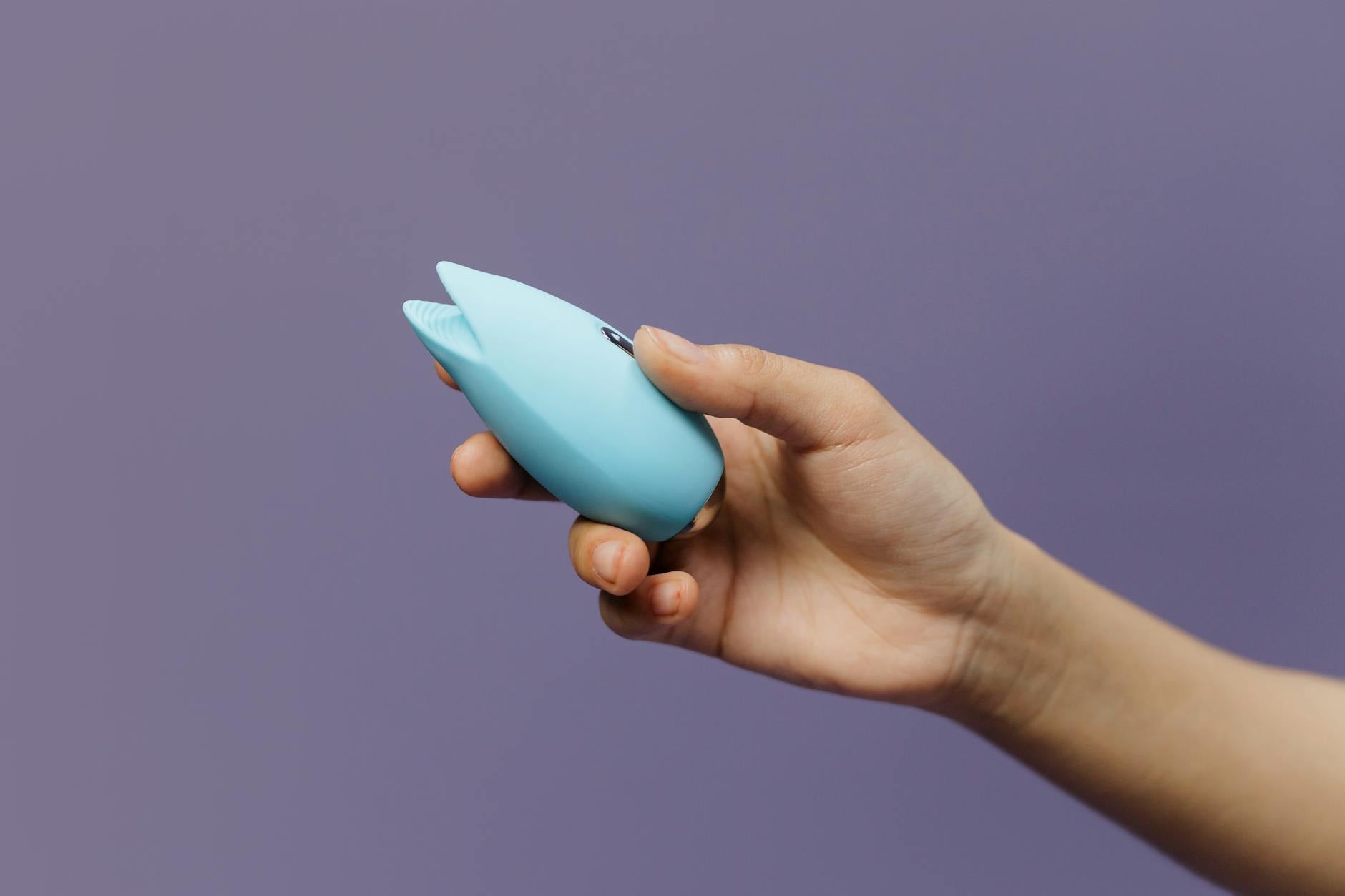
Lemon's clitoral vibrators use air-suction technology instead. Suction gently pulls soft tissue into a little chamber where micro-pulses create sensation without harsh direct contact. For people over 40, this often feels more intuitive, more pleasurable, and easier to control. You're not fighting the vibrator. You're working with your body's natural response.
That said, if you've never used any vibrator before, suction can feel strange at first. Which is fine. Strange is not bad. It's just new.
The setup that actually matters
Three things before you even turn it on.
1. Lube. Always. Even if you self-lubricate easily, lube is your friend here. Water-based lubes work best (silicone can degrade silicone toys, and oil-based lubes trap bacteria). Use more than you think you need. Lube makes sensation glide instead of stick. It also keeps tissue happy if you're planning to spend twenty minutes exploring instead of two.
2. Privacy and time. Don't rush this. Set aside thirty minutes when you're not watching the clock. Close the door. Silence your phone. This isn't about performance. It's about having space to figure out what your body actually wants without distraction.
3. Battery check. A half-dead vibrator ruins the experience. Charge fully before your first time.
How to actually start
When you first turn on your lemon vibrator, start at the lowest setting. This sounds obvious and yet most people skip it. Don't skip it. Pattern 1 or intensity level 1. You're not trying to orgasm yet. You're teaching your nervous system what this sensation is.
Once it's on, apply lube and gently bring the vibrator's opening to your clitoris. You might not feel anything at first. That's normal. The suction tech needs a gentle seal to work. Think about it less like pressing and more like letting it rest there. Let the toy create the seal.
Once you feel the suction kick in, you can breathe. Seriously. Most people tense up the moment something new happens. Your pelvic floor locks. Your breathing gets shallow. Your brain gets loud. None of that helps. Breathe like you're trying to relax into a stretch.
Stay at level 1 for a few minutes. Just get used to the sensation. This is the most important part and everyone wants to skip it.
Moving through the levels
After a few minutes at level 1, try level 2. Then level 3. You're not racing to the top. You're finding the sweet spot where sensation feels good, not overwhelming.
For most people over 40, the sweet spot is somewhere between level 2 and level 4 on a Lemon clitoral vibrator. You might discover you prefer a lower level for longer exploration, or a higher level for quick, direct stimulation. Both are completely normal. There's no right answer. There's only what works for you.
One thing that surprises people: your preference might change during a single session. You might start at level 2, move to level 4, then drop back to level 3 because your sensitivity peaks and crashes. That's your body telling you it's getting closer to sensation overload. Listen to it. The goal isn't to reach peak sensation as fast as possible. The goal is to feel good.
What an orgasm might feel like (and what if it doesn't happen)
Here's the honest part. Your first orgasm with a lemon vibrator might feel completely different than what you remember. Some people describe it as more concentrated, more in one spot. Others describe it as deeper or longer or weirdly emotional. Some people don't orgasm at all on the first try, and that's completely fine.
Orgasm isn't the metric here. Pleasure is. If you spend thirty minutes exploring and you feel more alive and more connected to your body afterward, that's a win. If you orgasm, that's also a win. Both are completely valid.
If you do reach orgasm, notice what happened. What level were you on? How long did it take? What were you thinking about? Was there a particular movement or angle that worked? This is data for next time. You're learning your own preferences, not following a script.
The post-session stuff that matters
After you're done, rinse your lemon vibrator under warm water and pat it dry. Keep it somewhere cool and dry. Store it away from extreme heat or sunlight, which can degrade silicone over time.
Your body might feel a little sensitive afterward, especially the first few times. That's normal. If your clitoris feels tender or irritated, dial back the duration or intensity next time. You might also notice that the next day your body feels a little more awake down there. That's the blood flow and nerve activation doing its job.
When to try again (and what to change)
Don't feel obligated to use your lemon vibrator every day. Once a week, twice a week, once a month, whatever actually fits your life and your desire. Consistency matters more than frequency. Your body learns what to expect when you're regular about it.
Each time, you might find something new. One session you realize you prefer circular motions. Another time you discover a specific pattern that hits different. How to Rebuild Lemon Vibrator Sensitivity After Taking a Break covers what happens if you stop for a bit and want to restart. But the core principle stays the same: this is about you learning you, not about checking boxes.
If something feels off
If you experience pain, stop immediately. Pain is information. It means either the angle is wrong, the intensity is too high, you need more lube, or your body needs something different today. None of those are failure states. They're just redirects.
If you feel numbness or loss of sensation after a few weeks of regular use, that's actually pretty common and it's completely fixable. Why Lemon Vibrators Feel Numb After Extended Use and How to Fix It walks through exactly how to rebuild sensitivity.
If you feel anxious or weird about the whole thing, that's worth sitting with. Sexual anxiety often has roots in messaging we absorbed decades ago about what pleasure is supposed to look like. If that's coming up for you, sometimes talking to a therapist who specializes in sexuality can actually help. You're not broken. You're just carrying old stories.
The practical stuff people don't talk about
Your first time might be awkward. You might not know where to hold it. Your hands might get tired. The angle might feel wrong. None of that is abnormal. Your body is learning a new skill.
If hand fatigue becomes an issue, some people prop the vibrator against a pillow and let gravity do part of the work. Others prefer a partner's hands. If you're with a partner, communication is everything. Tell them what feels good. Tell them if something doesn't. Why Lemon Vibrators Feel Better With Your Partner covers partnered use in depth.
Also, lube can get messy. Towels are your friend. Keep one nearby. There's nothing graceful about pleasure, and that's okay.
What comes next
After you've spent a few sessions getting to know your first lemon vibrator, you might discover you want to explore something different. Maybe you want a toy with different patterns. Maybe you want to introduce it into partnered sex. Maybe you want to experiment with using multiple toys at once. All of those are perfectly valid next steps.
The point is you're not starting this journey because you're broken or because something is missing. You're starting it because you're curious, or because your body deserves attention, or because your current routine isn't hitting anymore. All of those are worthy reasons.
Your pleasure matters. At 40 or 50 or 60 or beyond, your pleasure still counts. This is just a tool to help you access more of it.
People also ask
How long does it take to feel comfortable with a clitoral vibrator when you're over 40?
Most people feel genuinely comfortable by the third or fourth session. That first time is usually about novelty and figuring out the mechanics. By session two, your nervous system relaxes. By session three or four, you're actually exploring sensation instead of being surprised by it. Some people click immediately. Others need more time. There's no standard timeline.
Can you use a lemon vibrator if you're on antidepressants?
Yes, absolutely. Antidepressants can affect arousal and sensation, which means orgasm might take longer or feel different. That doesn't make the vibrator useless. It means you might need a longer warm-up, more lube, or different stimulation patterns. If you notice significant changes in sensation, that's worth discussing with your doctor, not a sign to stop trying.
What if your partner feels insecure about you using a vibrator?
That's a conversation worth having, ideally before you introduce a vibrator into partnered sex. Some people feel threatened by toys. Some people need education about what a vibrator actually does and doesn't do. A good conversation sounds like: "This isn't about you. This is about me learning what my body wants." If there's deeper insecurity, that's where a couples therapist comes in. Your pleasure and your partner's comfort are both important, and they can coexist.
Are lemon vibrators actually better than other clitoral vibrators for people over 40?
Suction-based vibrators like Lemon's clitoral massagers tend to feel gentler and more intuitive for people with sensitive or thinner tissue, which is common over 40. But "better" is personal. Some people prefer traditional vibration. Some prefer wand vibrators. The best vibrator is the one you'll actually use and enjoy. If suction sounds appealing, start there. If not, explore other options.
What if you've never orgasmed and you're trying a vibrator for the first time?
A vibrator can help, but it's not a magic fix for anorgasmia. If you've never had an orgasm, there might be physical factors (medication side effects, hormonal stuff, nerve sensitivity), psychological factors (anxiety, trauma, messaging about your own body), or both. A vibrator is one tool. Talking to a sex therapist or a gynecologist trained in sexual health is another valuable tool. You don't have to solve this alone.
How often should you use a lemon vibrator if you're just starting out?
Once or twice a week is a good starting point. This gives your body time to recover between sessions and helps you notice patterns without feeling like you're chasing sensation constantly. Some people find daily use works for them. Others prefer once a month. Your body will tell you what frequency feels right. Listen to it.
The long version of starting
Introducing yourself to a lemon vibrator over 40 isn't about performance or reaching some milestone. It's about permission. Permission to be curious. Permission to take up space with your pleasure. Permission to want things to feel good.
You've spent enough time being efficient with your own body. This is the part where you get to be inefficient. Where you get to take thirty minutes just to see what happens. That's not indulgent. That's your body asking for what it deserves.
Start slow. Stay curious. Trust what you find out about yourself. And know that whatever happens, whatever you discover, it's all exactly right.